Apartment & HOA Garage Springs
HOA Parking Structures
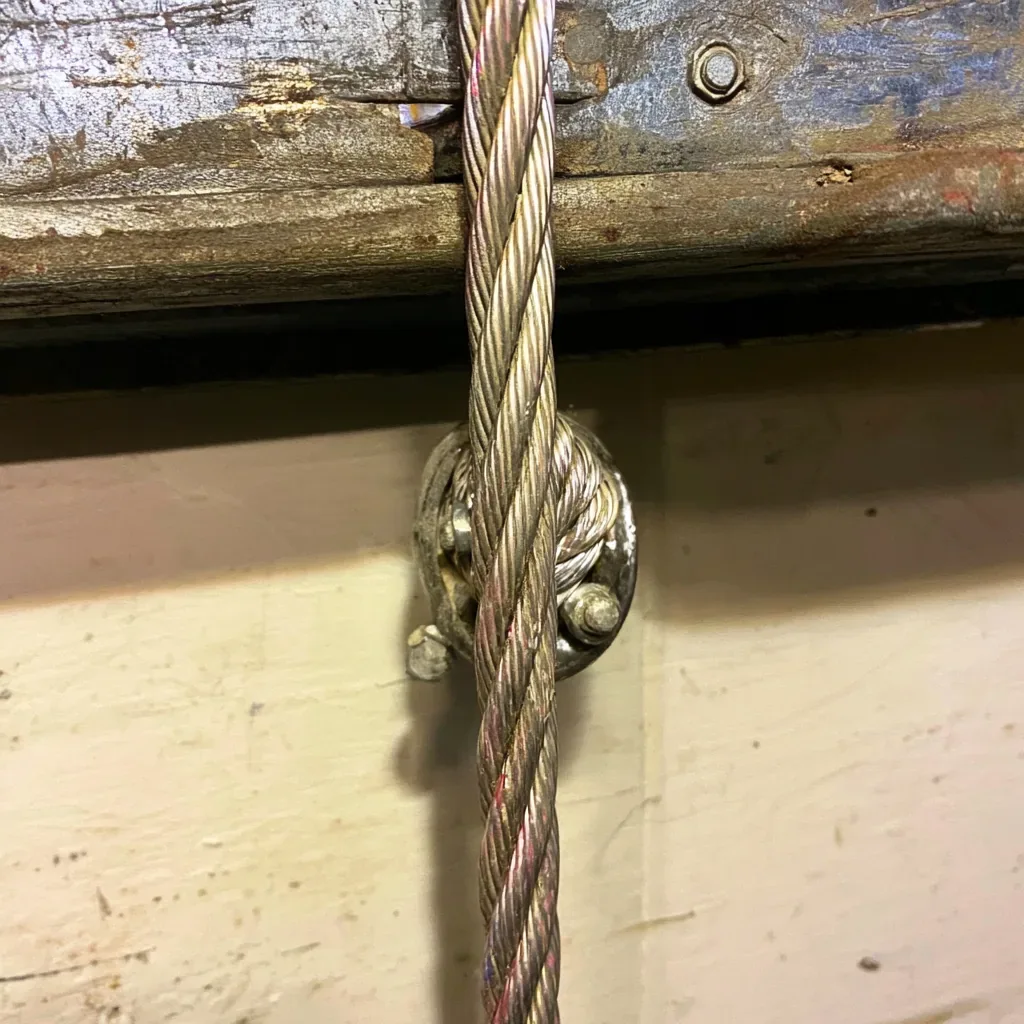
High-cycle sectional springs for Leawood dock doors, planned to cut downtime with documentation and after-hours scheduling
Loading bay door springs in Leawood are high-cycle torsion springs on sectional dock doors that balance heavy daily use. They are rated for many more cycles than home doors, need scheduled checks for impact damage, and must be replaced by the pros we connect you with to limit downtime.
Loading bay door springs in Leawood are the torsion counterbalance assemblies over sectional dock doors on warehouses, retail back rooms, and light industrial units. They carry the full leaf weight so the opener and staff only guide movement. On a dock door that opens for every delivery and pickup, these coils work through thousands of cycles per year. When one breaks, that bay is out of service until the pros we connect you with replace the set and rebalance the door.
A facility in Johnson County cannot plan a dock door on residential math. A home sectional may cycle four to six times a day, while a Leawood receiving bay off 119th Street can cycle forty times before lunch during a stocking week. Each open-close fatigues the steel a little more. Standard-cycle coils reach end of life in months under that load, which is why dock doors are specified with high-cycle springs rated for tens of thousands of operations from the start.
This page follows that duty-cycle logic through the rest of the building problem. The next sections explain how to match high-cycle springs to door size and use, how Leawood freeze-thaw and impact damage shorten life, how after-hours work limits downtime, and what paperwork a manager should keep for each bay. Read it as a sequence: rate the spring to the work, protect the track and slab, schedule the swap off-hours, and document every bay separately.
Matching starts with door weight, height, and daily counts, not just coil length. A tall sectional dock door in Leawood needs more turns and heavier wire than a short retail back door, and two bays on the same wall can need different ratings if one handles food delivery and the other handles trash. The pros we connect you with measure the opening, weigh the leaf, and select high-cycle springs by rated cycles, then replace both sides as a matched set to keep lift even.
Cable slack, a door that drifts down, a gap between coils that has stretched, or an opener that strains and reverses all point to lost spring torque. In a Leawood stockroom in Johnson County that runs night deliveries near Roe Avenue, those signs mean one bay will soon stick half-open and block the dock schedule. Staff should stop cycling that door, lock out the opener, keep hands clear of overhead hardware, and call a pro the same shift rather than forcing another load through.
| Use Case | Dock Doors | Home Garages |
|---|---|---|
| Duty cycle | Few lifts daily | Dozens per dock door daily |
| Spring rating | Standard low-cycle coils | High-cycle sectional springs specified |
| Main damage cause | Freeze-thaw metal fatigue | Forklift track impact damage |
| Failure cost | Single car stuck | Dock downtime blocks shipments |
| Service timing | Daytime home visit | After-hours scheduled service |
| Balance checks | Annual visual check | Quarterly documented balance test |
| Records kept | Basic receipt only | Cycle counts and work logs |
| Replacement planning | Break then replace | Planned change before failure |
Loading bay door springs are the high-cycle springs that counterbalance a sectional dock door, and in Leawood they work far harder than a home garage spring. A retail stockroom or service bay off 119th Street may cycle a door dozens of times a day for deliveries, trash runs, and vendor access, so fatigue builds fast. Forklift clips and backed-in box trucks knock tracks out of square, which loads one spring harder than the other. When that balance goes, the door stalls half open and downtime shuts down receiving until the pros we connect you with restore lift.
Impact kills dock springs faster than age alone. A trailer that kisses the jamb, a pallet jack that clips a vertical track, or a bent roller from a rushed load will rack a sectional just enough to bind. The motor then drags, the cable winds unevenly, and the high-cycle springs on that Leawood bay carry side load they were never rated for. Managers along College Boulevard see it after peak weeks: one creased panel or bowed track, then a snap on the next cold morning unless the track is straightened first.
Scheduled work keeps that failure from landing mid-shift. A Leawood facilities manager can plan spring replacement by cycle count rather than waiting for a break, pairing it with cable and roller checks during an evening or weekend window when trucks are gone. Buildings near Town Center Plaza and along Roe Avenue often need that timing to keep the front lot clear. The visit should leave paperwork behind: measured door weight, spring size and cycle rating, date installed, and next check point, so Johnson County duty logs stay complete.
When a dock door fails, the cost is schedule, not paint. One dead sectional in a Leawood center near Town Center Plaza can idle a morning delivery window, force trailers to State Line Road to re-stage, and push staff into overtime to unload through a single bay. Opener burnout follows quickly if crews keep jogging a door that weighs over 150 pounds dead. Treating a weak spring as a same-week maintenance item, not a wait-and-see item, is what keeps downtime to one bay for hours instead of the whole dock for days.
After-hours scheduling is standard for this work because bays earn money by day. A manager in Leawood can hold the morning dock, shift receiving to a spare door, and have the pros we connect you with replace springs, cables, and worn rollers overnight or early Sunday. Clear the staging lane, lock out powered equipment near the opening, and keep the paperwork contact on call. The crew needs full height access, light, and a quiet floor to test balance and set limits without forklift traffic.
A commercial spring visit is inspection first, parts second. The tech documents door size, spring dimensions and cycle rating, cable condition, drum wear, and opener force settings, then checks balance by hand at half height before power is restored. In Leawood buildings where road grit and winter salt dust the hardware, cleaning and cold-rated lubrication of hinges, rollers, and bearings is part of the same stop. No one on staff should touch winding hardware; stored torque can injure even when the door looks still.
Documentation is what separates commercial spring repair from a home receipt. Each Leawood bay should have its own line: door location, spring specification and rated cycles, install date, cycle-counter reading if fitted, and notes on track straightening or cable replacement. Facilities teams in Johnson County use that log to rotate heavy use to fresher bays and to show insurers and auditors that overhead doors were maintained on schedule. Ask for an itemized invoice with arrival window, parts, labor, and warranty terms for the file.
Planned changeouts beat emergency calls on price and disruption. When logs show a high-traffic dock door near Nall Avenue approaching its rated cycles, a Leawood manager can budget commercial spring repair for the slow weekend, order the matched set in advance, and pair it with roller and cable service while the bay is already tagged out. The door returns with even lift, lower opener draw, and a fresh count. Unplanned breaks get the same repair, but with overtime receiving and a blocked lane attached.
Close the loop by qualifying the vendor like any other building trade. Leawood managers should ask for proof of liability insurance, county licensing where structural or electrical scope applies, a written scope with cycle rating and warranty, and references from multi-bay sites around 135th Street or Mission Road. For that review, use our free referral to reach the pros we connect you with. The questions that follow are the ones managers usually ask next about timing, access, and records.
In Leawood loading bays off 135th Street run sectional dock doors all shift, so duty cycle drives every spring decision. High-cycle springs are specified by counted openings, not years, and forklift contact bends track that then overloads one side. The pros we connect you with schedule after-hours swaps, log ratings and counts, and retest balance, which keeps Johnson County downtime records clean and avoids a dead bay during morning receiving. Winter freeze below 20F finishes weak coils, so fall checks matter.
Whether you live near the center of the county or out toward its edges, we can put you in touch with the pros we connect you with, with neighborhood coverage across Johnson County includingOverland Park 66204, Overland Park 66207 and Overland Park 66210. For a second property or a job site elsewhere, list each address when you call for pricing.
Commercial spring work is usually quoted per visit, based on door size and how many doors are serviced. A single retail roll-up repair is priced on what that door needs rather than from a residential band. After-hours access, heavier hardware, and extra doors move the total, so the pros we connect you with confirm pricing on site.Commercial doors in Leawood use heavier springs, drums, and hardware than a home garage, so sizing by door weight and cycle rating changes the price. Mention door size, business type near Town Center Plaza, and daily cycles when calling the pros we connect you with to confirm scope.Compare the full cost bands through pricing guide; commercial overview explains how a scheduled service program is arranged.
HOA Parking Structures
For Leawood Managers
Commercial Door Plans
Do not run it. In Leawood a tired sectional dock door spring leaves several hundred pounds unbalanced, so the opener strains and cables can jump. Cold snaps below 20F in January and February snap fatigued coils, and de-icing salt tracked in near 119th Street speeds roller wear. Block the bay, tag the door out, and have the pros we connect you with inspect it before the next shift.
Yes. Most Johnson County warehouses along Roe Avenue and Town Center Plaza schedule sectional spring work overnight or between loads to keep docks open. Leawood shops see constant daily cycles, so the pros we connect you with measure door size, track condition, and cycle count first, then return after hours with matched high-cycle springs and record the change for your maintenance file.
Ask for door location, spring size and cycle rating, date installed, and balance test results. In Leawood facilities managers keep this for Johnson County maintenance audits and to plan the next high-cycle change before failure. De-icing grit and impact bends should be noted too. The pros we connect you with should leave that written record plus warranty terms for parts and labor.
Plan on higher ratings because Leawood dock doors cycle dozens of times daily, far above home use. Forklift clips bend track and stretch one side, which then overloads the spring. Tomahawk Creek area shops with ice-storm outages also see doors forced by hand. Have the pros we connect you with check balance quarterly and upsize to high-cycle springs where counts justify it.
If a dock door will not stay balanced, contact us and the pros we connect you with will schedule after-hours commercial spring repair with records.
Call (913) 365-0692