Apartment & HOA Garage Springs
HOA Parking Structures
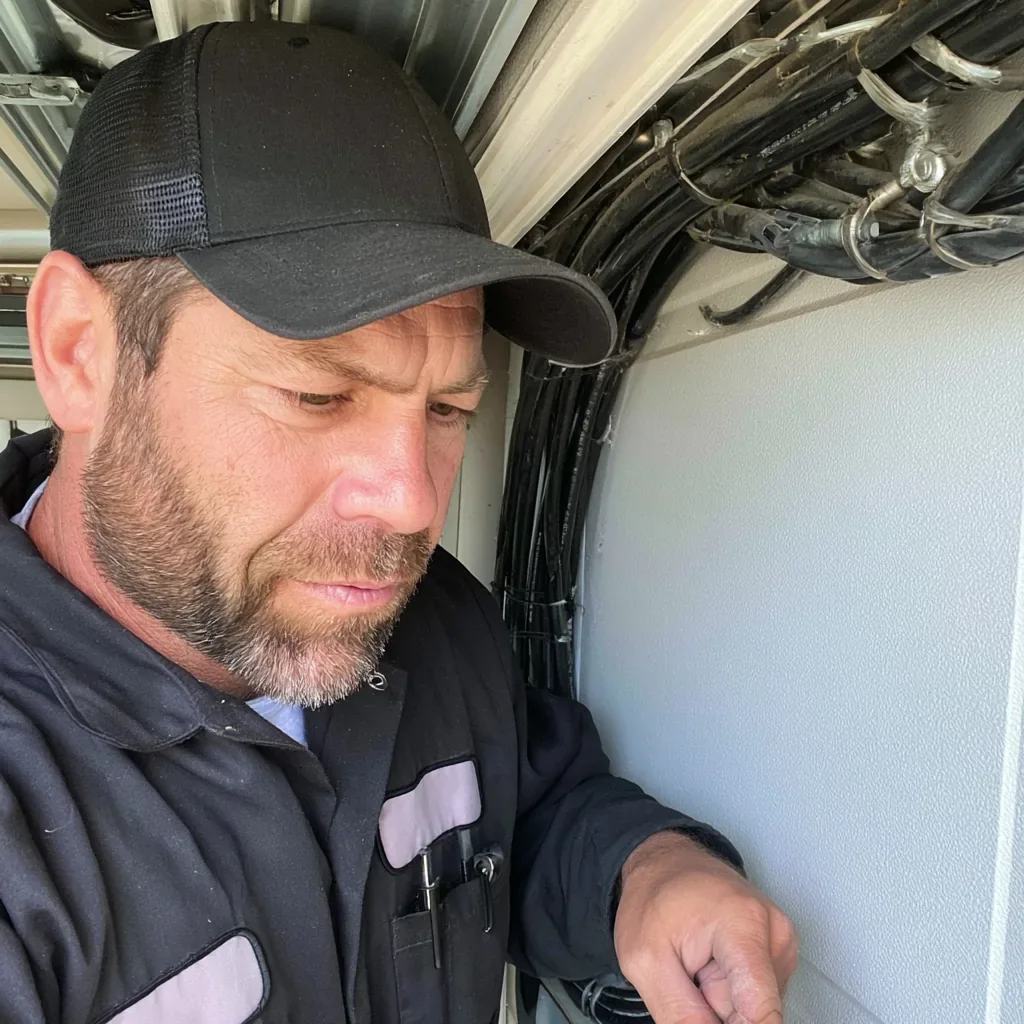
Scheduled commercial spring repair with consistent scopes for Leawood managers across multiple properties and work orders.
Property Manager Spring Service is commercial spring repair planned for Leawood portfolios: one scope for torsion and cable work, scheduled service visits, per-door cycle notes, and documentation that matches your work orders across multiple properties.
Property manager spring service in Leawood means one vendor approach for torsion and roll-up springs across every commercial door you oversee, not a separate call per site. The argument here is uptime, duty cycle, and paper trail rather than curb appeal. The pros we connect you with work from consistent work orders, track cycle counts, and leave documentation you can file. For buildings near Town Center Plaza and elsewhere in Johnson County, that structure keeps multiple properties comparable and auditable.
A commercial spring in Leawood lives a different life than a house garage spring because cycle counts climb fast on retail and service doors. A stockroom roll-up off 119th Street may open dozens of times a day, so fatigue shows as uneven lift, opener strain, and cable slack long before a break. Cold makes it worse, with most metro breaks clustering November through March when steel contracts overnight. Planning replacements by duty cycle, rather than waiting for failure, protects tenants and keeps daily operations moving.
Consistent scope matters when you manage doors on Roe Avenue and other corridors from one desk. Property manager spring service defines spring size and cycle rating, cable and roller condition, track alignment, and opener load in the same terms on every visit. That way a work order at one address means the same inspection and the same parts logic at the next. Across Leawood, managers compare quotes cleanly, approve faster, and avoid paying for a full replacement where an adjustment and paired hardware check would do.
Start with an inventory that lists each Leawood building, each door, and each spring assembly by type and age. Note whether the door is sectional steel or a retail roll-up, the opener model, and any history of slab shift or track re-square. Doors along State Line Road and Mission Road see heavy delivery traffic and winter grit, which wears rollers and binds tracks. With that list, you can rank doors by cycles and condition instead of treating every service call as a surprise.
Scheduled service in Leawood follows the freeze calendar, not tenant complaints. A full professional inspection and cold-rated lubrication in September to October catches fatigued coils before the first hard freeze, and a winter-damage check in March to April finds stressed cables and strained openers. Between those visits, ask staff for monthly visual checks for gaps, sag, and sensor frost, without touching hardware. That rhythm spreads commercial spring repair across the year and keeps documentation current for owners.
| Door Detail | Spring Scope | Record Provided |
|---|---|---|
| Work order intake across properties | Paired torsion replacement, matched cycle rating | Cycle count logged per door |
| High-cycle spring duty evaluation | Lift cable check with matched replacement | Wear photos filed by address |
| Door inventory across multiple properties | Cold-rated rollers for freeze-thaw winters | Binding notes for Hallbrook clay shift |
| Scheduled service route planning | Realignment after slab heave and settlement | Measured offsets kept on work orders |
| Tenant disruption and downtime control | Force reset near Town Center Plaza | Battery backup status per building |
| Duty cycle | Daily cycles sorted retail versus parking | High-use doors flagged for scheduled service |
| Service documentation and invoicing format | Multiple properties under one consistent scope | Single summary for 119th Street sites |
| Winter freeze-thaw failure prevention | Arrival window, parts, labor per ticket | Documentation sent to manager, not tenant |
Clear work orders keep multiple properties in Leawood from drifting into different standards. Write the address, door identifier, reported symptom, access hours, and contact on site, plus authorization limits so techs do not expand scope without approval. Include cycle rating required and whether cables, rollers, and bearings are to be inspected or replaced. When that format repeats from Overland Park line shops to local office parks, office staff file faster and field questions drop.
Documentation is what owners in Leawood actually buy along with the repair. Ask for door-by-door notes showing spring size, wire gauge, cycle rating, and turns or torque setting logic, plus cable, drum, and bearing condition and opener performance after the swap. Photos of the installed assembly and a dated service record close the loop for each work order. Kept by property across Johnson County portfolios, those records prove consistent care, support warranty claims, and guide next-year capital planning.
One invoice shape saves more time than any discount when you reconcile spring work across Leawood each month. Require the same layout from every visit: visit charge, labor lines by door, parts lines with cycle rating, and warranty terms stated plainly. No bundled lump sums that hide hardware. When invoices match work orders line for line, a manager with retail bays near College Boulevard and storage rooms near Nall Avenue can approve in minutes and answer an owner question without calling back for detail.
Downtime is the cost center in Leawood, not the spring itself. A broken torsion spring leaves the door as dead weight over 150 pounds, and the opener cannot and should not lift it alone. For a tenant that means blocked deliveries, unsecured stock, and staff propping doors that should stay closed. Build the plan around isolation: lock out the failed bay, shift traffic to a second entrance where possible, and confirm timing directly when calling so you can tell tenants and owners what to expect next.
Do not let on-site staff in Leawood buy time by forcing a failed door. Below freezing, bottom seals can freeze to the slab from daytime melt, photo-eyes frost over, and standard lubricants thicken, so powering through with the opener burns motors and snaps cables. Winding bars under full tension injure people every year, and spring tension is never a maintenance task. Close the door, disconnect use, post the bay out of service, and send the work to a pro.
Many repeat spring complaints in Leawood trace back to concrete, not steel. The city sits on Sharpsburg clay with very high shrink-swell, and garage slabs and aprons heave and settle unevenly through wet springs and dry summers. Near Tomahawk Creek and the Blue River corridors, softer alluvium adds movement. A racked opening pulls tracks out of square, rollers bind, the opener strains, and a tired coil fails on the next hard freeze. Flag doors that rub, gap, or need repeated track adjustment for a level and square check.
Landscape water patterns around Leawood office and retail sites shape that movement. Mature oaks and maples near Ironwoods Park dry one side of the clay while irrigated turf keeps the other side wet, tilting slabs a fraction at a time. De-icing salt tracked in during winter adds grit that wears hinges and rollers. Managers with scheduled service walk the apron, look for new cracking or ponding at the threshold, and keep that note with the door record.
For managers covering multiple properties around Leawood, spring work runs cleaner as scheduled service tied to work orders instead of one-off calls. The pros we connect you with document door size, spring type, cycle rating, and cycle count at each visit, so retail bays near Town Center Plaza and offices off 119th Street stay on a consistent scope. That record shows which doors along the Roe Avenue corridor are cycling out and need planned replacement before a break ties up a bay.
Documentation matters when tenants change and owners ask why commercial spring repair was approved. Each closed ticket should list property address, bay number, parts used, labor, and photos of the closed assembly, giving Leawood owners a file that matches across Mission Farms, College Boulevard shops, and buildings near Tomahawk Creek. Standardizing that paper trail cuts invoice questions and lets you plan high-cycle hardware for busy doors while keeping low-use storage doors on basic springs.
A Leawood shopping strip on 119th Street and a townhome block off Roe Avenue fail in different ways, so the scope stays the same while the hardware notes change. Each visit logs door size, spring type and cycle rating, cable and roller condition, and opener strain, building a history that predicts the next break before a bay goes dead. That record lets you group nearby stops into scheduled service routes, keep tenants out of the work area, and close work orders with documentation attached instead of chasing paperwork later.
One call reaches our referral team, who match your location to the pros we connect you with working closest to you, keeping every part of Johnson County within reach includingOverland Park 66207, Overland Park 66212 and Overland Park 66213. If your address falls outside the usual service map, say so right away to check coverage.
For businesses, pricing is normally set per door per visit, then adjusted for size and visit frequency. Small loading-bay servicing is quoted per door, and a scheduled plan usually brings the cost of each trip down. Door height, parts volume, and night or weekend scheduling move the final figure.Commercial doors in Leawood use heavier springs, drums, and hardware than a home garage, so sizing by door weight and cycle rating changes the price. Mention door size, business type near Town Center Plaza, and daily cycles when calling the pros we connect you with to confirm scope.Compare the full cost bands through pricing guide; commercial overview explains how a scheduled service program is arranged.
HOA Parking Structures
Start with a door list by address with size and opener type, then use the same scope for every call: spring, cables, rollers and balance check. The pros we connect you with log per-door findings that map to your work orders, so accounting sees one invoice shape across Hallbrook townhomes and other Leawood sites, and you can bundle nearby stops into scheduled service instead of one-off calls.
You get a per-door note with spring size and cycle rating, cable and track condition, opener reading, and parts with labor separated for your files. In Johnson County there is no state garage-door license to copy, so keep the business registration, proof of liability insurance, and written scope with warranty terms. That packet closes the file for owners along the Town Center Plaza corridor without follow-up calls.
Yes. Sharpsburg clay shifts slabs and racks openings, then a hard freeze contracts tired steel and snaps it overnight. Plan a full professional inspection with cold-rated lubrication in fall, then a winter-damage check in spring near Ironwoods where oaks dry one side of the soil. Between visits watch for uneven gaps, binding rollers, and bottom seals frozen to concrete, and never force the door with the opener.
Yes. Managers running multiple properties around Leawood can place one work order covering several addresses, with scheduled service set for fall before freeze-thaw snaps tired coils. The pros we connect you with leave per-door documentation — door size, spring type, cycle rating, and work done — so files stay consistent for Johnson County audits and HOAs. Billing stays in one format across sites. For anything beyond a plain spring swap, check permit rules with the city.
Send your Leawood property list and door count to get scheduled service set up through the pros we connect you with.
Call (913) 365-0692