In Leawood, torsion-spring-replacement cost factors are the reasons one replacement bill looks different from the next for the same type of spring system. A torsion spring counterbalances the full weight of a sectional steel door, so when cold contraction snaps a tired coil in January, the fix is sized to that door, not pulled off a shelf at random. This page walks through the four drivers you can compare: door size and weight, single spring versus matched pair, cycle rating, and timing of the call.
The size and weight of the door explain most of the difference in a torsion-spring bill in Leawood. A standard 16 by 7 double door needs lighter springs than an 18 by 7 triple door, and insulated steel with carriage-house overlays common around Hallbrook adds more pounds that call for heavier wire and longer coils. Movement in expansive clay under the slab can also leave the door rubbing or out of square, so the pros we connect you with check weight and balance before selecting hardware.
Door Size Sets the Starting Price
Whether you replace one spring or a matched pair, plus the cycle rating you choose, shapes the rest of the cost in Leawood. When one coil of a pair breaks near Ironwoods Park, the second has shared the same lifts and cold snaps, so many Johnson County homeowners approve both to avoid a second visit weeks later. A basic 10,000-cycle set costs less up front than a 20,000- or 30,000-cycle set, but higher cycles suit a busy family using Nall Avenue daily and can delay the next failure.
Another Leawood cost driver is whether you replace one torsion spring or a matched pair on the same shaft. Many two-car doors run two springs wound to share the load, and both have lived through the same freeze-thaw winters, daily cycles, and 40-degree swings within a day. When one coil snaps, the other is usually close behind in fatigue. Swapping both now means one visit, one balance check, and even lift, while changing only one often means a second visit weeks later.
Door Weight Matters More Than Size
For Leawood shoppers comparing paperwork, a pair costs more in parts on the day but can lower the cost per year of service. The labor to open the door safely, support its dead weight over 150 pounds, set balance, and test the opener is much the same whether one or two coils go on. Paying that setup twice wipes out any saving from buying a single spring. That is why many written scopes in subdivisions near Ironwoods Park list paired springs as one line for parts and one line for labor.
Cycle rating in Leawood means how many open-close cycles a torsion spring is built to deliver before fatigue makes a winter break likely. One cycle is the door going up and back down once, and Johnson County families add cycles fast with school runs, work commutes, and evening activities. A standard-life coil and a high-cycle coil may look alike on the shaft, but the high-cycle version uses longer or heavier wire to survive more seasons. Choosing the rating is choosing how soon you expect to repeat the job.
One Spring or a Matched Pair
Timing is the last cost factor most Leawood callers feel on 135th Street and around Tomahawk Creek Trail. A break found on a January morning when the door will not lift often needs same-day attention because the door is too heavy to use by hand and the opener should not try alone. Evening, weekend, or holiday arrival usually carries an extra visit charge compared with a weekday window, so asking about arrival fees, parts, labor, and warranty in writing helps compare options clearly.
Beyond the coils themselves, Leawood bills move with the small lines around them on the same visit. Center bearings, cable drums, and worn rollers affect how smoothly the new springs carry the door, and a frayed cable found during inspection is replaced for safety rather than reused. Photo-eye sensors frosted over or a bottom seal frozen to the slab from daytime meltwater can add adjustment time. Clear scopes separate spring parts, related parts, labor, and any visit charge so you see what is spring cost and what is not.
Cycle Rating You Pick Up Front
Timing matters in Leawood because springs favor nights, weekends, and ice-storm outages when the door is dead weight and the opener cannot lift it alone. An evening or weekend call often carries an after-hours visit charge on top of daytime labor, reflecting overtime and rerouted schedules. That fee does not change the spring size you need, but it changes the bottom line. When you call, confirm timing directly to learn whether daytime scheduling avoids that added line.
A Leawood winter break rarely waits well because the door weighs over 150 pounds without spring help and forcing a frozen door with the opener burns out the motor. Homes near State Line Road see bottom seals freeze to concrete overnight after a 40-degree swing, so a morning that looks like a spring failure can start as ice. A pro checks for frost binding before sizing springs. If the door is stuck shut, leave it shut and ask about arrival window and safety steps on the call.
Timing and After-Hours Visit Charges
Like-for-like torsion work in Leawood usually avoids two costs that worry owners in HOA subdivisions. A spring swap that keeps the same door needs no architectural approval, while a full door swap does, so you do not pay review delays on a repair. It is also a repair rather than new construction, so it rarely needs a building permit, though framing, electrical, or opening changes can. The pros we connect you with can explain what your address near Town Center Plaza requires before work begins.
To compare Leawood quotes without chasing a phone quote, ask for the same written lines from each company: spring size and wire details, single or pair, cycle rating, related parts, labor, visit charge, and warranty terms. Johnson County has no state garage-door license to check, so ask for county license where it applies to the work, proof of liability insurance, and an arrival window in writing. Matching lines apples to apples shows whether a higher total buys longer life or only visit timing.
What a Standard Bill Usually Includes
Age of the house shapes Leawood torsion work more than many owners expect. North-end ranches near 95th Street may still show older hardware nearby, while central tracts around Mission Road run standard insulated 16-foot doors that size quickly. South-end estates past 119th Street often carry taller or heavier carriage-house faces that need bigger coils and longer balance time. A page that lists subdivisions and corridors helps you see why a neighbor off Tomahawk Creek Trail paid a different total for what sounded like the same broken spring.
After weighing size, pair choice, rating, and timing, Leawood readers usually leave with sharper questions rather than a final number. Is my door weight pushing me into a larger coil, and would a matched pair save a second visit? What cycle rating fits my daily count through Blue Valley School District traffic and winter cold? What does the arrival window and warranty actually cover? Bring those four answers to the call and you can read any written scope for what moves the total.
Why Springs Are Not Interchangeable Parts
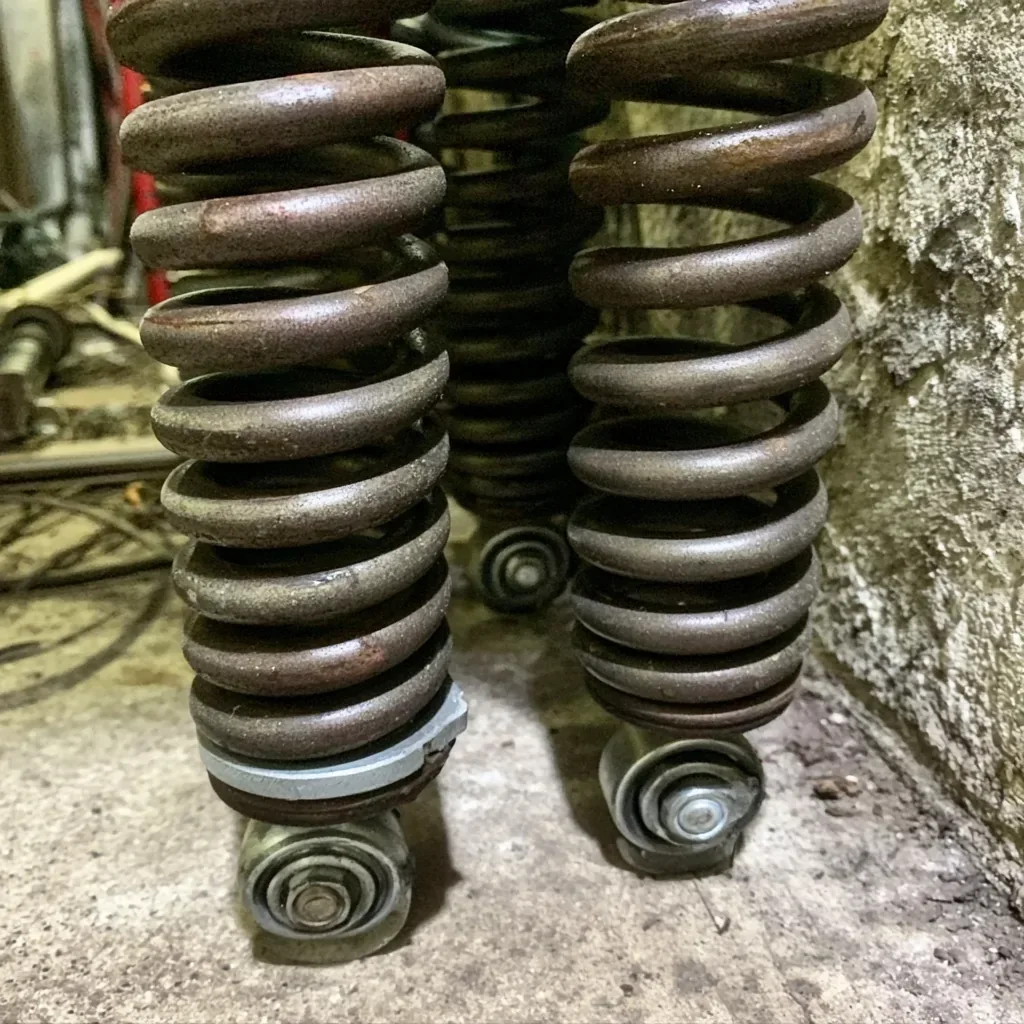
Torsion springs are wound to balance a specific door weight, so length, wire gauge, and inside diameter must match the door in your Leawood garage. A 16 by 7 steel door and an 18 by 7 insulated carriage-house door in Hallbrook need different torque, even if they look alike from the street. The pros we connect you with measure the door and weigh it rather than guessing from color codes. That measuring time is part of why two neighbors can see different bills for what sounds like the same job.
Guessing from a previous coil can mislead in Leawood because slab heave from expansive clay and past door swaps change what balance the door needs today. An undersized coil leaves the door heavy and strains hinges and openers, while an oversized coil slams and batters the top section. Correct sizing starts with actual measurements of weight and track, not memory, which is why written scope matters more than matching a stripe you saw online.
How Winter Cold Shortens Spring Life
Cold is the reason timing affects cost in Leawood. About seventy percent of torsion-spring breaks around the metro happen from November through March, peaking when a mild day in the thirties snaps to a hard freeze overnight and fatigued steel contracts and lets go. Homes near Ironwoods Park see the same pattern, with bottom seals frozen to concrete and openers straining against dead weight. A night or weekend failure often means an after-hours visit charge, which is a separate line from parts and daytime labor.
Standard lubricant thickens below freezing and stops helping near twenty degrees, so an older coil runs dry all winter in Leawood. That wear is why a fall inspection and cold-rated lubrication before the first hard freeze can stretch remaining life, though it cannot save a coil already cracked. Planning replacement during daytime hours in fall along College Boulevard corridors costs less in scheduling terms than a January night call, because you avoid premium timing while getting the same matched hardware.
Questions to Ask Before Agreeing
A clear scope keeps comparison fair. Ask what door size and weight was measured, whether the price covers one spring or a matched pair, what cycle rating is quoted, and how the visit charge works for daytime versus evening. Homes in the Hills of Leawood with heavier insulated doors should hear a different parts answer than a lighter uninsulated door. If two options use different cycle ratings, ask how each choice changes parts cost and expected life.
Also ask what labor includes in Leawood, such as balancing checks, hardware tightening, and haul-away of the old coils, and what warranty covers parts versus labor. Like-for-like spring work in subdivisions near State Line Road rarely needs a building permit, but ask when a permit would apply if framing or wiring changes. Written terms for arrival window, parts, labor, and warranty let you compare offers without chasing the lowest number alone.
Why the Cheapest Choice Costs More
Choosing a lower cycle rating can trim the ticket in Leawood, but the coil reaches fatigue sooner under daily use, especially with attached two-car and three-car doors opened several times a day. Families near Town Center Plaza who run school and commute trips often replace sooner than expected. Paying for a higher cycle option adds upfront parts cost while reducing how often you pay labor again, which is the trade the page wants you to weigh rather than price alone.
Replacing only one coil of a worn pair can look like savings in Leawood. The older mate still carries the same winter fatigue and often snaps weeks later, which means a second visit charge and a second balance check. Doors off 119th Street with heavy use show this pattern clearly. A matched pair costs more on day one, yet it keeps lift even, protects the opener from lifting dead weight, and avoids paying twice for trips.
When Planning Beats Waiting for Failure
A loud bang in the garage followed by a door that will not lift usually means a torsion coil has broken in Leawood. Do not keep running the opener, because it cannot lift more than one hundred fifty pounds alone and will burn out. Homes along Tomahawk Creek Trail often hear it on a cold morning after a freeze. Planning a daytime check when lift feels heavy or coils show gaps costs less disruption than waiting for a night failure with a car trapped inside.
Use this guide to compare ideas before you call in Leawood. How heavy is my door, is the quote for one coil or two, what cycle life am I buying, and how does timing change the visit charge. Answers to those four shape any fair comparison better than a single number. Bring notes on size, age, and symptoms, then confirm timing directly when you reach out for help.
Dealing with this in your home?
In Leawood, most spring trouble starts with winter, not use, as repeated freeze-thaw cycles tighten fatigued steel until a cold night snaps a coil on an attached two-car sectional door. Johnson County homes from Hallbrook to the 135th Street corridor and near Ironwoods Park often show the same pattern: a door over 150 pounds dead, an opener straining, and roots drying clay on one side of the slab. This post explains why cold breaks happen, what a safe repair visit covers, and when to call the pros we connect you with.