Leawood summers hold heat and humidity inside attached garages long after sunset, and that changes how springs, rollers, and seals behave. This guide explains three warm-weather patterns we see across Johnson County: oil thinning off the coils, rubber seals hardening and losing shape, and metal expansion that makes a door bind. This page stays on summer effects only. If your door got louder or slower during a 90-degree stretch, the causes below will help you sort what happened.
When July air in Leawood stays near 90 with high humidity, steel parts in a garage act differently than in mild months. Heat thins the grease on coils and hinges so it drips away, leaving dry metal that squeaks and wears. The rubber strip along the bottom bakes hard and loses its seal, letting hot air and dust in around homes near Hallbrook. Expanded tracks along busy corridors like 135th Street or near Tomahawk Creek can pinch rollers just enough to make the door jerk or stall halfway.
Why Summer Heat Bothers Springs
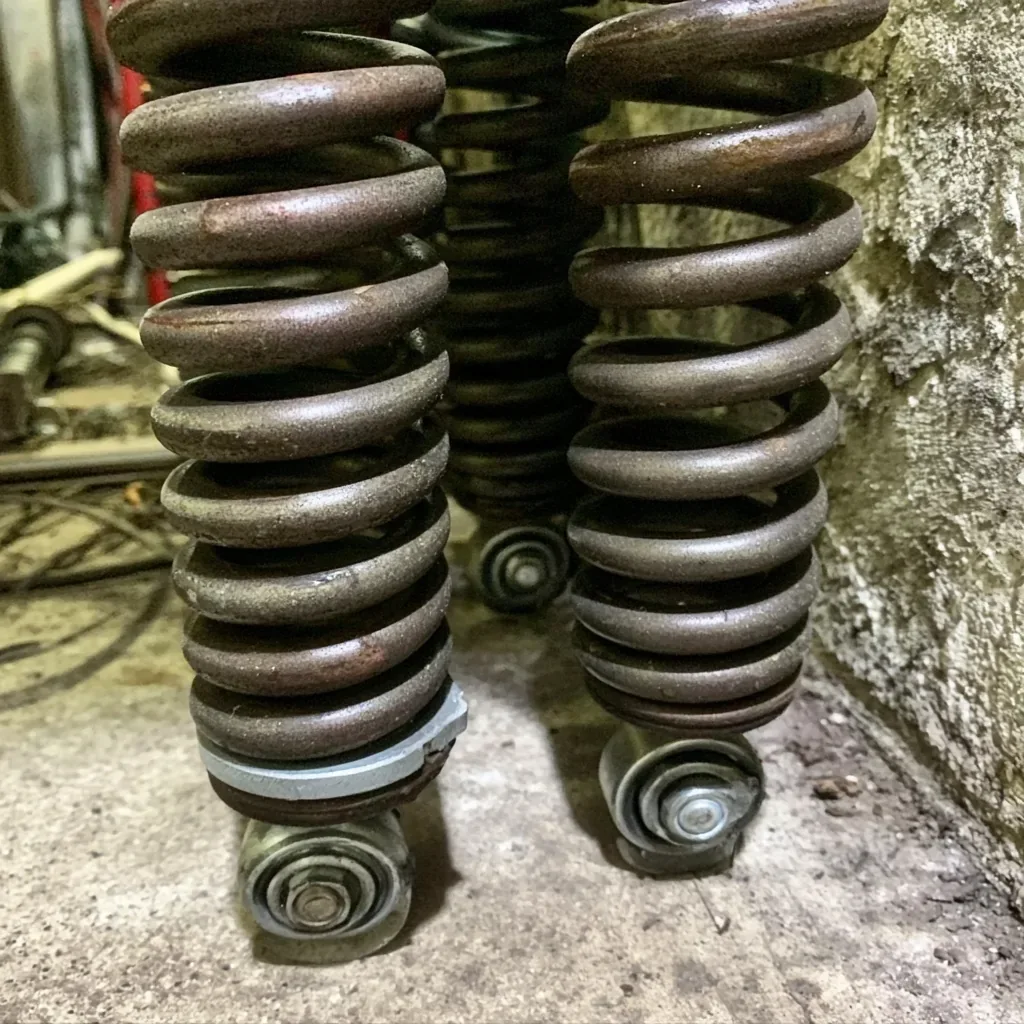
When air stays near 90 degrees with high humidity in Leawood, the grease on springs and hinges thins and moves off the metal. You may see dark streaks on the coil or dry, shiny spots where coating used to sit. Along 135th Street where afternoon sun hits west-facing garages, doors often start to squeak or chirp on each lift. That noise is steel rubbing with less film between parts, and ordinary road grit sticks easier when the remaining film turns tacky.
A thinned spring in Leawood does not lose its lift all at once, but the opener works harder and the lift feels uneven. Many people reach for a thin spray, yet WD-40 is too light for this job and holds grit against the coil. The lasting fix is a proper silicone or lithium grease film placed by hand in the right spots. Because coils hold high tension, leave that coating and any adjustment to the pros we connect you with and watch only from the floor.
How Humidity Thins Door Lubricant
Heat ages rubber faster than most Leawood homeowners expect. The bottom seal and side weatherstrip on a Johnson County garage lose oils in sustained heat, then turn hard, flat, or wavy. Near Hallbrook, where large doors face long sun exposure, you may find the bottom bar leaves a gap at one corner or lets daylight show through. Hardened rubber no longer presses even to the concrete, so hot air, dust, and pollen move freely into the garage.
A hard seal in Leawood can also change how the door sounds when it closes. Instead of a dull press, you hear a knock or rattle because stiff rubber bounces off the slab. Look from inside during daylight with the door shut and note where light comes in, without pulling at the material. Cracks, missing chunks, or a strip that stays curled away from the jamb all point to replacement rather than cleaning, which keeps the opening square and quieter.
Why Seals Harden in Heat
Steel grows slightly in heat, and in a Leawood garage that small growth matters. Tracks, rollers, and panels expand at different rates, so a door that ran clear in mild weather can drag in August. Around Ironwoods Park, where mature shade gives way to hot open drives, homeowners notice the door slows near the curve from vertical to horizontal track. Humidity swells wooden jambs too, narrowing clearance just when the metal needs more room.
Binding in Leawood feels different from a spring break. The door moves, then hesitates, then continues, sometimes with a scrape on one side. You may see roller wear marks on one track or a gap that opens and closes as panels pass the bend. Do not force it with repeated opener runs, which heats the motor. A visual check from the side, noting where it rubs, gives the pros we connect you with clear detail without putting hands near tension parts.
How Metal Expansion Binds Doors
Dry summer clay adds another push in Leawood. The Sharpsburg clay under Johnson County shrinks as it dries, and one side of a garage slab can drop slightly while the other stays put. Near Tomahawk Creek, where alluvial ground shifts easily, that tilt racks the opening out of square. Tracks follow the jamb, rollers pinch on the low side, and springs carry extra load through every cycle until the slab moisture evens out.
Mature oaks and maples make the tilt more uneven in parts of Leawood. In Ironwoods and Hallbrook Farms, roots pull water from clay on one side of a drive while the other side bakes in sun. One corner of the apron settles, the seal gap widens there, and the door meets concrete at a slight angle. If you see a new diagonal crack in the slab or a door corner that first touches late, note the spot and the time of day heat is worst.
Summer Noises That Mean Friction
You can learn a lot without touching hardware in your Leawood garage. With the door closed, look along both tracks for gaps, rust dust, or bent brackets, and listen for where a squeal starts and stops. Check the bottom seal for curl and daylight, and watch the rollers as someone else runs one full cycle while you stand clear. Write down heat, time, and side, since binding that only appears on hot afternoons points to expansion.
Call for help in Leawood when the door stalls midway, hangs crooked, or the opener hums and stops. Lifted weight over 150 pounds can sit on a tired system, and repeated tries wear gears and cables. Describe the heat pattern, the noise, and where daylight shows, then let the pros we connect you with handle springs, cables, and rollers. Confirm timing directly when calling, since summer demand shifts with heat waves along Nall Avenue and Mission Road.
Simple Summer Checks Homeowners Can Do
Across Leawood, summer trouble usually comes back to those three ideas: thinned lubricant that lets grit grind, hardened seals that admit heat and dust, and expanded metal plus shifting clay that narrows the path. None of them needs guesswork with tools on the ladder. A short note on sounds, gaps, and hot-day timing tells a pro more than a close look at the coil, especially near 119th Street and College Boulevard where sun loads vary by lot.
After a hot spell, Leawood homeowners still ask why the door only sticks after 3 p.m., whether a squeak means oil or a roller issue, and how to tell seal curl from slab drop. Near Gezer Park and the Blue River side, they also ask why one side wears faster when shade covers the other. Bring those exact patterns to your call, with street exposure and garage direction, so the cause gets matched to heat, not habit.
When Heat Makes Openers Strain
When steel tracks and rollers expand in 90-degree heat, clearances shrink and the door drags instead of rolling. You may hear humming from the opener, see a slight jerk at the halfway point, or notice the door reverse for no clear reason. In shaded streets near Ironwoods, afternoon sun still heats a west-facing steel door enough to widen panels and tighten the track fit. The opener then pulls extra amps to finish the cycle, which wears gears and belts faster than smooth travel does.
A garage in Leawood can hold heat well past sunset, and an opener motor mounted near the ceiling sits in the warmest layer. After several short cycles on a humid Saturday, the motor housing feels hot and may pause briefly on thermal protection. That pause looks like a failure but often clears after cool-down. Give it air, avoid repeated button presses, and check that the rail and springs move freely by eye from outside. If pauses repeat, have the pros we connect you with inspect the balance and drive load.
Garage Ventilation Without Risking Security
Cracking the door a few inches can drop garage temperature, but an open gap invites trouble and strains the opener holding position. Homes along 135th Street often face full afternoon sun, so shade helps more than a gap does. Park outside during peak heat when possible, use a lockable side vent or attic vent for airflow, and keep the interior door to the house closed. Never prop the sectional door partway with boxes or leave remotes where kids can reach them.
Good airflow also means keeping vents and photo-eyes clear of dust and cobwebs that build fast in July and August. Wipe the sensor lenses gently with a soft dry cloth and sweep grass clippings from the threshold so the bottom seal can close fully. A tight close keeps humid air, pollen, and road grit from settling on rollers and hinges. If the door will not stay closed on its own setting, stop testing it and schedule service rather than forcing the closer force higher yourself.
Why Summer Is Good for Tune-Ups
Summer in Leawood shows small problems clearly, which makes it a practical time for a tune-up. Heat reveals dry rollers, loose hinges, and tired seals during normal daily use. A pro can clean the tracks, check cable wear, test balance, and apply silicone or lithium grease where it belongs. That work quiets the door and reduces drag on springs. Like-for-like spring and hardware repair needs no HOA approval in most subdivisions, though a full door swap often does.
Homes near Tomahawk Creek deal with extra humidity that leaves a film on hardware, so cleaning matters as much as oiling. A service visit usually includes tightening hardware, aligning tracks, testing the auto-reverse, and checking the bottom seal and side weatherstrip for daylight gaps. Homeowners should not touch spring tension or try to adjust cables. If you see a gap in a coil, fraying, or a door that feels heavy by hand, step back and call for professional help.
What to Tell a Pro
Clear details help a pro diagnose heat-related drag faster. Note when the noise started, whether it happens going up, down, or both, and if the trouble is worse in late afternoon. In Leawood, mention sun exposure, such as a west-facing door off Nall Avenue or College Boulevard, and whether the garage feels damp after rain. Share the door size if you know it, like a 16 by 7 two-car, and the opener brand. Photos of rollers, hinges, and seals help, taken from a safe distance.
Ask what the visit covers before work starts, including the inspection, parts, labor, and warranty terms in writing. Ask for proof of liability insurance and, where structural or electrical work applies, the county license. Confirm the arrival window and any visit charge. Never ask for phone instructions to wind or adjust a spring. Reliable help comes from the pros we connect you with, who have proper winding bars, training, and parts for torsion systems.
Planning Your Late Summer Service
Late August is a good point for Leawood homeowners to look back on how the door behaved through the hottest weeks. Did it squeak after mowing days, hesitate near the top, or leave black marks from seals on the threshold? Write those notes down while they are fresh. Pollen and grit from Tomahawk Creek Trail outings and summer yard work build up on photo-eyes and rollers, so a cleaning and balance check now restores smooth travel for busy school-season mornings.
If noise persists after basic cleaning, ask whether rollers or hinges are worn, whether seals need replacement, and whether the track alignment suits an expanded summer door. Ask how often light lubrication should be rechecked in humid weather and what signs mean you should stop using the door. Keep the door closed and latched in storms, and call promptly if a spring breaks, since the door turns dead weight and the opener cannot lift it safely alone.
Dealing with this in your home?
In Leawood, most spring trouble starts with winter, not use, as repeated freeze-thaw cycles tighten fatigued steel until a cold night snaps a coil on an attached two-car sectional door. Johnson County homes from Hallbrook to the 135th Street corridor and near Ironwoods Park often show the same pattern: a door over 150 pounds dead, an opener straining, and roots drying clay on one side of the slab. This post explains why cold breaks happen, what a safe repair visit covers, and when to call the pros we connect you with.