Shopping for a house in Leawood often means looking past paint and flooring to parts that carry real cost, and garage door springs sit high on that list. A general home inspection notes the door goes up and down, but it rarely records spring age, match, or fatigue. This guide explains what a Johnson County buyer can see without tools before closing, why winter cold finds weak steel, and what to ask the seller to document.
A home inspection in Leawood should include a close look at the garage springs, because a tired set can shape what you pay after closing in Johnson County. Ask for photos showing a matched left and right torsion set without heavy rust or gaps in the coils, safety cables where older extension hardware remains, and a door that stays halfway up when released by hand. Note opener force settings and whether the slab near Tomahawk Creek corridors looks level, from Hallbrook to 135th Street.
Why Springs Matter Before Closing
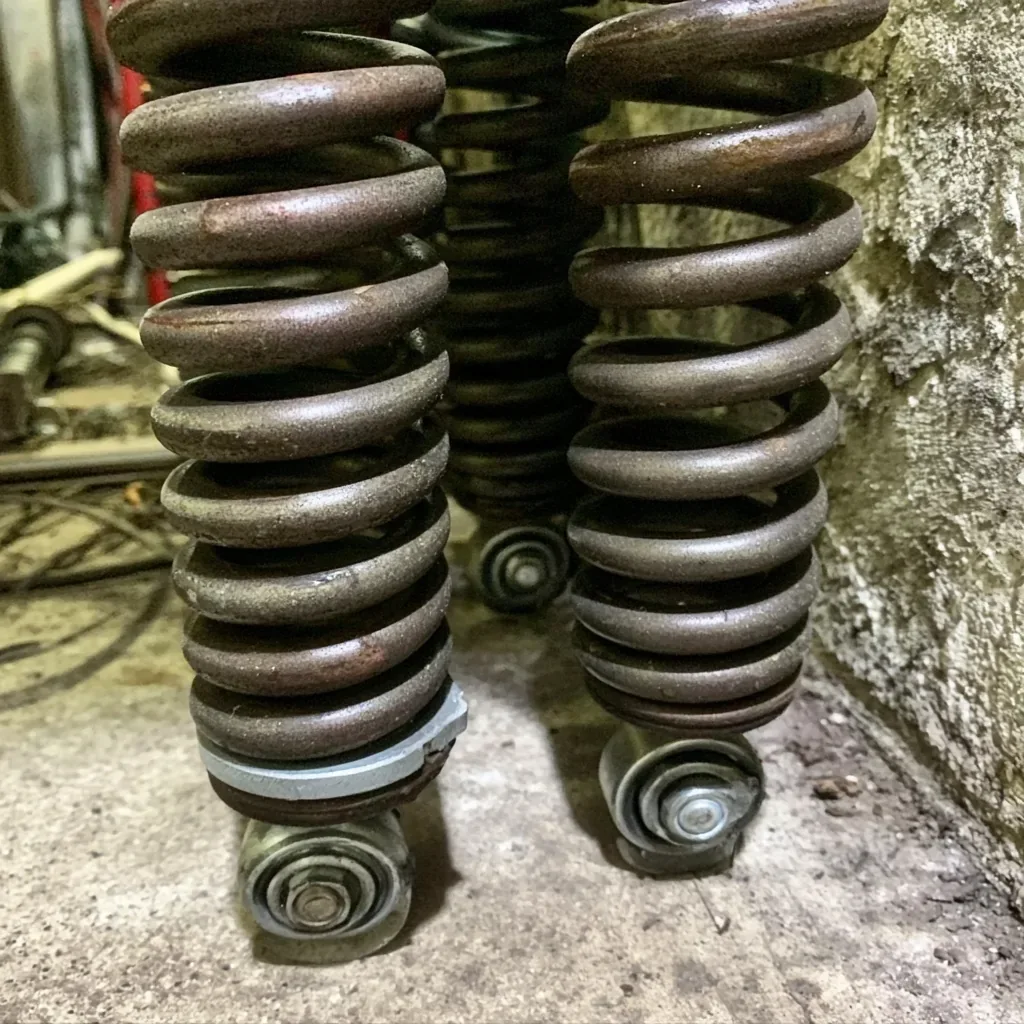
Start with whether the torsion springs match, because a Leawood listing with one new coil and one old coil tells a story. On a two-spring door the coils should be the same length, wire size, and wind direction, showing even gaps between coils when closed. A mixed pair lifts unevenly, wears one side of the opener, and often means only one spring was swapped after a winter break near Ironwoods Park.
A matched set in Leawood also shows in paperwork more than in steel. Ask the listing agent when springs were last changed, whether both were changed together, and what cycle rating was used for a heavy insulated door. Homes in Hallbrook with carriage-house overlays carry extra panel weight, so an undersized single replacement ages fast. Notes from the seller beat memory, and a missing receipt is itself information for your offer.
What Matched Springs Show Buyers
Rust on springs deserves a close look during a Leawood showing because surface discoloration and deep pitting point to different futures. Light brown dust on outer coils often comes from winter road grit and humidity in an attached garage. Flaking, rough pits, or gaps that look stretched signal metal loss and fatigue that cold will find in January. Walk along Nall Avenue subdivisions after a freeze and most breaks show that same tired pattern.
Cold behavior adds context that a summer buyer in Leawood can miss. Standard lubricants thicken below freezing and stop working near twenty degrees, bottom seals freeze to concrete from daytime melt, and sensors frost over. By March the door may look fine while springs carry winter damage. Look for jerky movement, loud popping from coils, and rust lines on the garage wall, then write what you saw with the date for later comparison.
How Rust Signals Spring Fatigue
During a home inspection in Leawood, ask the inspector to note whether extension springs in the garage have safety cables running through them, especially in older ranches near Mission Road and Prairie Village. Johnson County buyers often miss this because torsion hardware hides the issue on newer doors. A missing cable, visible rust, or an unmatched side are inspection flags to list for follow-up by the pros we connect you with, not items to test by hand. Note them on the report and keep clear of the door path.
A door that hangs unevenly tells a Leawood buyer to pause, not to fix. Stand back and see if the bottom seal meets the slab evenly or leaves daylight on one corner. Listen for the opener straining or stopping short, which shows the springs no longer offset door weight near 135th Street newer builds as well as older ranches. Note the behavior, take a straight photo from outside, and leave lifting tests and adjustments to the pros we connect you with.
What a Simple Balance Check Shows
Older north Leawood ranches from the nineteen sixties and seventies may still use extension springs along the side tracks instead of torsion coils overhead. Those side springs stretch long and store full force, so intact safety cables threaded through each coil matter more than shine. Without a cable a snapped coil can throw across the garage. Look from inside the doorway for a thin wire running end to end, and note if either side lacks one.
Tree roots and clay movement add another clue for a Leawood inspection walk. Mature oaks and maples around Ironwoods dry one side of the soil while the other stays wet, shifting the slab enough to tilt tracks and strain side hardware. Check where cables anchor to track brackets for bent metal, fraying, or missing clips. Do not touch, pull, or test the springs themselves, and record rust, slack, or uneven stretch for your inspector to review.
Why Older Cables Need Attention
Opener force settings finish the spring picture for a Leawood buyer. LiftMaster and Chamberlain belt and chain units common here do not lift a dead door alone, and a unit set too high will drag a heavy door with a tired spring. During a showing, watch one full open and close for smooth travel, steady speed, and a full seal without slamming. Battery backup lights found along the 119th Street corridor matter after ice storms, but they do not make up for weak lift.
Photo-eyes and reversal behavior belong on the same Leawood checklist. Sensors low on each track should face each other without frost, cobwebs, or spring pollen gumming the lens in April and May. The door should reverse when blocked and stop without forcing into concrete. If the bottom bar grinds, the remote batteries test weak in cold, or the wall button needs several presses, write those details down as signs the system works harder than it should.
How Openers Hide Weak Springs
Before closing on a Leawood house, turn notes into questions for seller and inspector. Ask spring age and whether both coils were replaced together, request any invoice showing wire size and cycle rating, and ask if the door received a fall inspection with cold-rated lubrication before the first freeze. Near Town Center Plaza where townhome HOAs manage exteriors, also ask who owns spring upkeep, since a like-for-like swap rarely needs approval but a door change does.
Carry those answers to a Leawood walkthrough with fresh eyes. Does the door sit square despite slab shifts from State Line Road to Blue River soils, do sensors stay clear, and does the opener run without strain. If records are thin or movement looks uneven, arrange an independent inspection before closing rather than planning work yourself. Clear notes now help you compare homes across Johnson County and discuss timing directly when you call.
Should Both Springs Always Match?
In Leawood, most sectional doors use two torsion coils that should match in length, wire size, and coil count. During a walkthrough in places like Hallbrook, look from the center outward and note if one side looks newer, shinier, or different in turns. A single replaced coil beside an older one often means uneven lift and shorter life for the older side. Write down what you see for your Johnson County home inspector and do not touch hardware under tension.
A matched set matters because Leawood winters punish imbalance, with hard freezes that snap tired steel between November and March. If listing photos or your visit show mismatched springs, ask the seller when work was done and whether both sides were replaced together. Note the door size, often sixteen by seven on two-car garages, and whether the door feels even in its tracks. Keep notes for negotiation, and leave tension questions for the pros we connect you with.
Does Surface Rust Fail Inspection?
Light surface discoloration is common here after winter road grit and de-icing salt drift into the garage. Stand back near Ironwoods Park homes or elsewhere and look along the coils for orange dusting versus deep pitting, flakes, or gaps between coils. Even color across both springs reads differently than one dark, rough coil beside a clean one. Cold snaps make fatigued metal contract and break, so heavy rust deserves a written inspection note, not a wipe or lubricant test.
For a Johnson County buyer, the question is not how to clean rust but what it signals about age and care. In a Leawood garage, check whether rust appears on springs, cables, and track hardware together, which can point to moisture near the slab or poor ventilation. Take dated photos from several angles and include them with your inspection objection. Do not oil, scrape, or adjust anything, and ask your home inspector to describe remaining life in general terms.
Can Slab Movement Affect Alignment?
Yes. In Leawood many garages sit on Sharpsburg clay that swells in wet springs and shrinks in dry summers, and near Tomahawk Creek the alluvial soils let the slab heave or settle unevenly. When one corner lifts, the door opening racks, tracks go out of square, rollers bind, and the opener strains to lift. Buyers in Johnson County, from Hallbrook to lots off 135th Street, should look for an uneven apron joint, daylight around the closed door, and scuffed track marks during inspection.
Southern builds near 135th Street sit on the same active clay as older north Leawood ranches, so age alone does not settle the question. Open and close the door with the opener once, watching for jerks, rubbing, or one side leading. Mature oaks and maples can dry one side of the soil while the other stays wet, which twists the slab over time. Record what you observe and let a general inspector flag whether the pros we connect you with should evaluate alignment.
What Does the Opener Test Reveal?
An opener can mask weak springs in a Leawood garage, especially LiftMaster and Chamberlain belt and chain units common here. If the motor strains, hums long, or reverses near the top, the springs may not be carrying their share of the one-hundred-fifty-pound-plus door weight. Check the photo-eyes low on the tracks for dust or winter frost and note if the wall button and remotes respond the same way. Do not change force settings during a showing.
Johnson County buyers should treat opener force as a safety signal, not a fix. Here, look for a battery backup box on the opener, helpful during ice storms and spring wind season when power drops. Listen for grinding that points to binding tracks rather than motor trouble. Write down brand, approximate age, and any missing manual release handle tag, then include those notes with your inspection response for follow-up before closing.
What Should You Ask Before Closing?
Before closing on a Leawood townhome or single-family house, ask how the association handles garage hardware. In many subdivisions a like-for-like spring swap needs no approval while a full door swap does, so confirm in writing. Request seller receipts, spring size notes, and any inspection remarks about safety cables on older extension systems. Homes near Town Center Plaza and along 119th Street often fall under HOA rules worth reading early.
Use your inspection window to get clear answers, not to test hardware yourself. Never pull apart, oil, or tension springs that sit under load, and never force a door that feels stuck or frozen to the slab. In Leawood, ask your agent to route spring, cable, and balance questions to an inspector, and to the pros we connect you with for a closer look before closing in Johnson County.
Dealing with this in your home?
In Leawood, most spring trouble starts with winter, not use, as repeated freeze-thaw cycles tighten fatigued steel until a cold night snaps a coil on an attached two-car sectional door. Johnson County homes from Hallbrook to the 135th Street corridor and near Ironwoods Park often show the same pattern: a door over 150 pounds dead, an opener straining, and roots drying clay on one side of the slab. This post explains why cold breaks happen, what a safe repair visit covers, and when to call the pros we connect you with.