If your garage door in Leawood touches the concrete and then jumps back open, it is hard to know whether to blame the safety eyes or the springs. This page stays on that one moment of reversal off the floor. The first sections argue the reversal is often a sensor or ice problem that makes the opener think the path is blocked. The later sections argue extra weight and friction can make the same opener reverse on force. Read in order and you will see which pattern fits yours.
Sensor reversals in Leawood usually happen fast and clean. The door runs down smoothly, taps or nearly taps the floor, then rises all the way with no groaning from the motor. Look at the motor head and you will often see the light blink several times, which is the opener signaling a blocked eye rather than a heavy door. Homes near Hallbrook see this after a bike handle or shovel nudges one low bracket. The springs may be fine here, and the issue is the invisible beam across the opening.
Why Doors Reverse Off The Floor
Spring and weight reversals sound different from sensor trips, and many Leawood doors show them in January and February. The motor labors on the way down, the door may stop an inch or two above the slab and then reverse, and the lights do not give the usual eye-blink code. A tired torsion spring cannot balance a 16 by 7 steel door, so friction at the bottom reads as an obstruction. Drivers off 135th Street often notice the opener humming hard before it gives up.
Frost is a common Leawood cause after a clear night in the teens. Moisture settles on the small photo-eye lens low by the track, and the beam scatters just as the door nears the cold floor. The door behaves as if a box were in the way, even though the driveway looks empty. Around Ironwoods Park, where open wind hits exposed faces, one eye can frost while the other stays clear. A gentle visual check for white haze is safe, but do not force repeated cycles while it is frosted.
How Photo-Eye Sensors Cause Reversing
A bumped eye does not need much movement to trip at the floor. In Leawood garages the eyes sit only a few inches up, so a trash can, sled, or grit knocked against the bracket can tilt the lens a fraction. The beam then holds for most of travel and breaks at the very bottom when vibration is greatest. Along Nall Avenue, winter storage crowds that corner all season. Look from behind the door, with the door closed, to see if one bracket looks bent or loose, and stop there.
Low winter sun and spring pollen fool the same eyes in a different way. In Leawood, a west-facing opening near Tomahawk Creek Trail can take direct sun late in the day, washing out the receiver just as the door shading changes at the floor. In April and May, a film of pollen does the same scattering work as frost. Both cause a clean reversal with blinking lights and no heavy sound. Note the time of day it happens, because a pattern tied to sun or season points away from springs.
How Weak Springs Cause Reversing
Overnight freeze of the bottom seal looks like a reversal but starts at the slab. Daytime meltwater runs under the door in Leawood, then freezes after dark and glues the rubber seal to the concrete. In the morning the opener pulls down, feels sudden resistance right at the floor, and reverses on force. Homeowners near Leawood City Park see this after a 40-degree swing. Never keep pressing the button or try to break the bond with the opener, since that overloads the motor and the spring system.
Sharpsburg clay under most Leawood slabs moves with moisture and frost, and the garage floor can lift slightly in one corner. The door then meets a high spot a moment before the opener expects full close, and the safety logic reverses it. This is different from an eye trip because the opener lights usually stay steady and the bottom seal shows uneven pressure. Older drives off Mission Road show this after a wet fall and hard freeze. It is a fit between door and floor, not something to fix with repeated close attempts.
Frost And Moisture On Sensor Lenses
You can narrow the eye side without tools and without touching springs. With the Leawood door fully open and the car out, look low at both sides for a steady glow on each sensor. Check for cobwebs, a hanging extension cord, or ice in front of the lens. Stand clear of the path and use the wall button once to watch. If a light blinks, flickers, or is dark, stop testing and leave the door where it is.
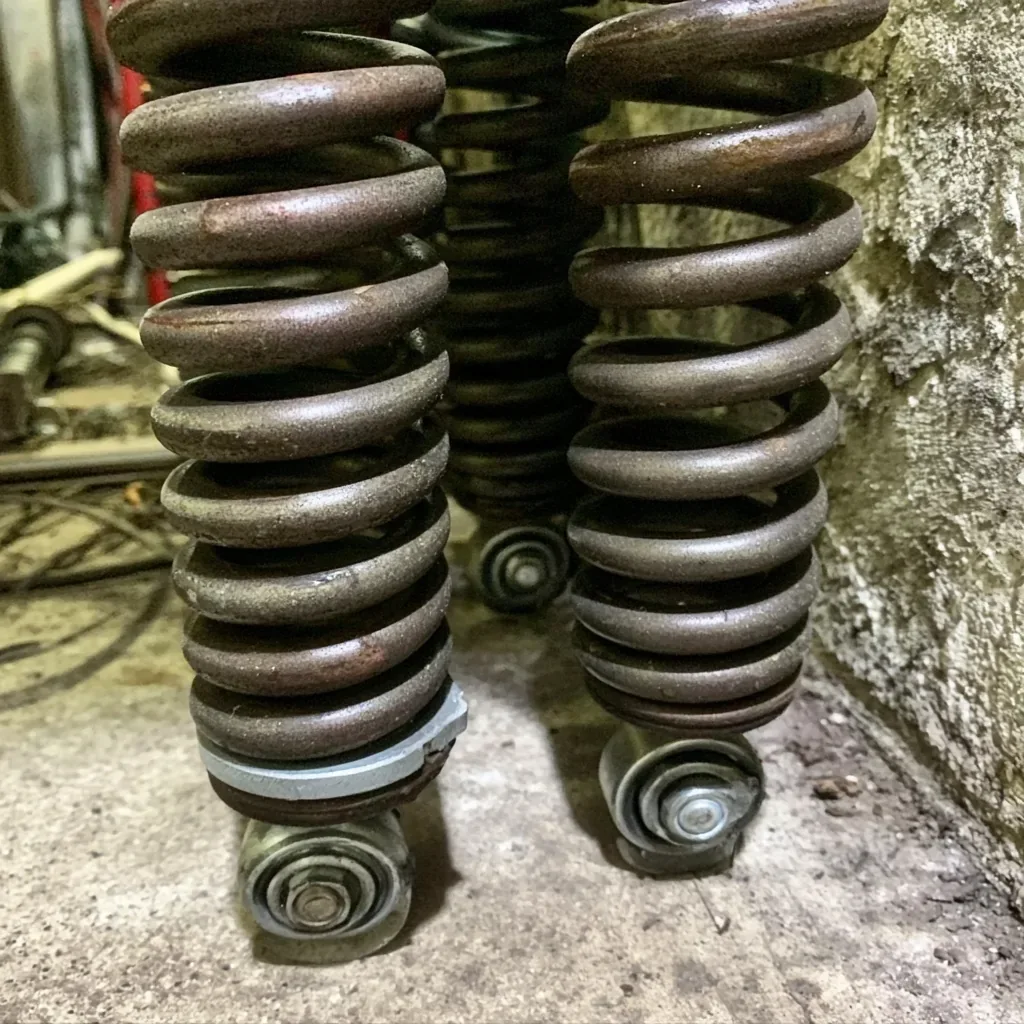
You can also rule in a spring problem from a safe distance. With the door closed, stand inside the Leawood garage and look at the torsion coil above the opening for a visible gap between coils, a slack cable, or a door that looks crooked in the tracks. Do not lift a heavy door by hand, do not disconnect the opener to test balance, and do not touch winding hardware. If the door looks uneven or the opener strains, that is the stop point and the work belongs to the pros we connect you with.
Bumped Brackets And Loose Sensor Alignment
Cold makes friction worse even when springs and eyes are intact. Below freezing, standard lubricant thickens on Leawood rollers and hinges, and below about 20 degrees it nearly stops helping. The door moves stiffly, especially in the last foot, and the opener reverses on force at the floor. De-icing grit tracked in adds drag. This is why many reversals cluster after a January cold snap along College Boulevard. Do not change force dials or add oil yourself, since masking the resistance hides the real load.
Pay attention to what tells the story besides movement. A Leawood opener that reverses on eyes usually flashes the rail lights in a repeat pattern, while a force reversal often shows a steady light and a strained sound. Weak remote batteries in cold lose much of their output, so try the wall control once instead of clicking the remote again and again. If the wall button gives the same reversal, the problem is at the door, not the remote. Write down the blink pattern before you call.
Sun Glare And Dust On Lenses
Know when to stop trying in Leawood. Stop and leave the door down if you see a broken coil gap, a loose cable, a tilted door, ice bonding the seal to the floor, or any eye bracket that is broken rather than just dirty. Do not hold the wall button to override safety, do not block the eyes, and do not keep cycling the opener hoping it will seat. Each forced attempt heats the motor and stresses parts built to lift with spring balance, not brute force.
After these checks a Leawood reader is left with sharper questions to bring to a visit. Does my reversal blink the lights or strain the motor, and at what height does it turn. Did it start after frost, sun glare, a storage bump, or a hard freeze. Is the bottom seal freezing or the slab lifting in one spot. Bring the age of the door, the time pattern, and photos of the eyes and the coil area, so the cause can be named without guessing.
Heavy Door Signs That Point To Springs
A spring-related reverse often feels different from a sensor reverse. In Leawood, the door may close fully, press lightly on the concrete, then immediately run back up while the opener hums or strains. You might hear labored motor noise, see the top section flex, or notice the door falls fast if you watch carefully without touching it. Homes near Hallbrook with older torsion springs see this after a January cold snap shrinks tired steel. If lifting by handle feel is out of question, stop and note the heaviness.
Another spring clue is timing through the seasons. Around Johnson County, many breaks follow an overnight freeze after a mild 40-degree day, when fatigued coils contract and snap. The door worked yesterday and now reverses only at the bottom, with no blinking sensor light. You may see a two-inch gap in the torsion coil above the door or hear a loud bang from the garage the night before. Do not climb a ladder to inspect closely. Note the change and leave the door down.
Safe Balance Clues Without Touching Springs
You can learn a lot without touching hardware. From inside the garage in Leawood, watch one full close with the wall button and stand clear of the path. A sensor issue usually flashes the opener light or clicks before reversing, while a spring issue labors all the way down and then cannot stay shut. Near Nall Avenue, where concrete aprons heave on expansive clay, note if one corner hits first. Never pull the red release cord to test balance on a heavy door.
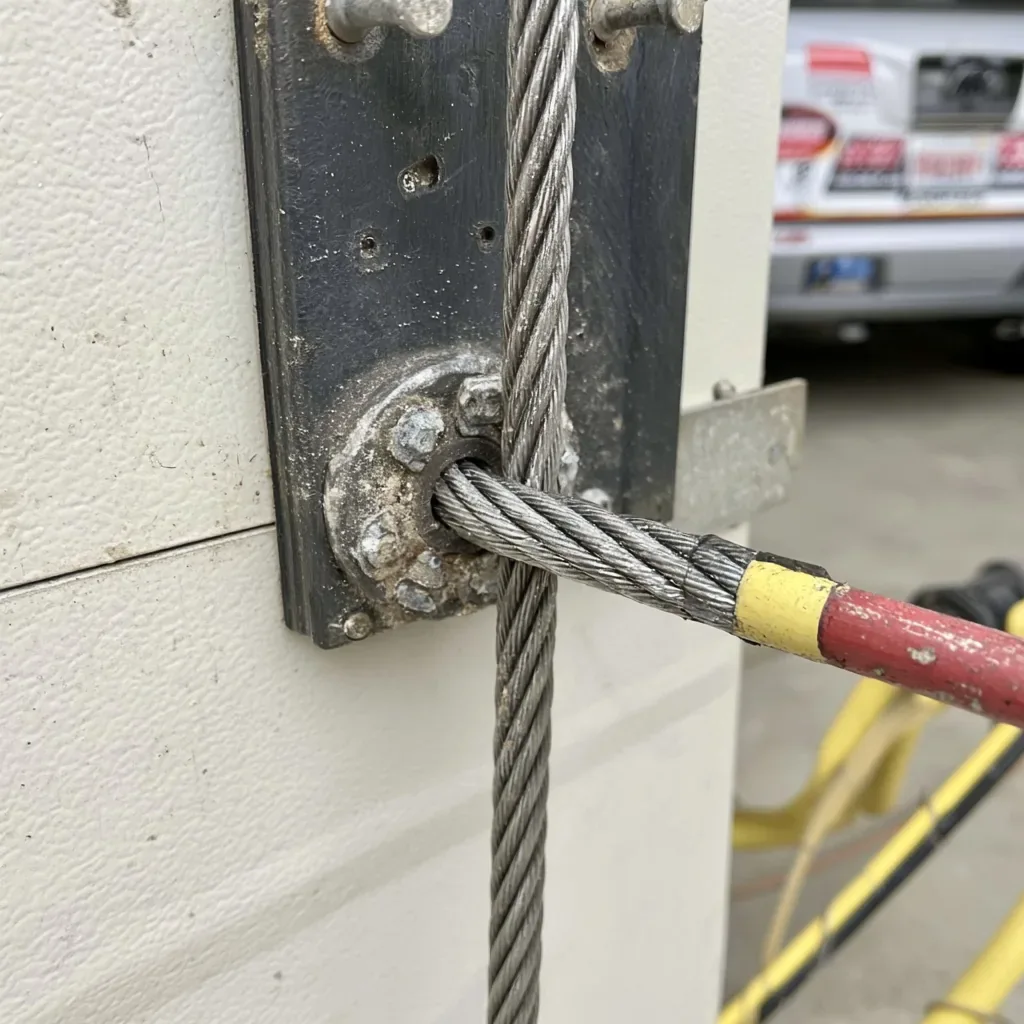
Sound gives another safe clue. A door with weak springs often groans, shudders near the floor, and reverses as the opener senses too much force. A photo-eye block reverses higher or lower without strain, and the motor sounds normal. Listen from the side near Ironwoods Park homes with three-car steel doors, where extra weight shows quickly. If you hear grinding cables, popping rollers, or see a cable hanging loose, stop watching and keep everyone away from the door.
Safe Checks Any Homeowner Can Try
Start with the photo-eyes at the floor brackets. In Leawood winters, night moisture freezes on the lenses and daytime melt leaves grit from road salt. With the door fully open and the opener idle, look for frost, cobwebs, or April pollen film and gently wipe with a soft dry cloth without moving the brackets. Check that boxes or shovels are not blocking the beam. Along Tomahawk Creek Trail, cold shade keeps frost late morning, so recheck after sun hits.
When a Leawood door touches the concrete and then rolls right back up, two separate safeguards can be behind it. The sections below sort photo-eye trouble from spring trouble so you can see which pattern fits. Near Hallbrook and along 135th Street we see winter frost filming the lenses, a trash can nudging one eye crooked, and low sun shining straight into the receiver. A tired spring shows up differently, with the opener straining, the bottom dropping hard, then reversing because the force setting trips.
Stop Points Where You Should Quit
Know when to stop and call for help. If the Leawood door feels heavy, falls quickly, will not stay closed, or the spring above shows a split, do not run the opener again. Disconnected cables, tilted doors, or loud grinding mean stored tension is involved. Repeated button presses will burn out a LiftMaster or Chamberlain motor trying to lift over 150 pounds dead weight. Leave the door closed, keep cars out, and contact the pros we connect you with.
Winter ice is another hard stop. Leawood slabs collect meltwater that freezes the rubber bottom seal to the concrete overnight, especially near the Blue River low areas. If the door strains then reverses off the floor on a morning below freezing, do not force it with the opener. Look for ice along the seal without prying. Below 20 degrees remotes lose power and lubricants stiffen, so weak batteries mimic faults. Warm the garage, replace remote batteries, and let ice melt naturally.
What To Tell The Pro
Good notes speed the visit. Write down whether the Leawood door reverses right at the floor or a foot above, whether opener lights blink, and whether the problem started after frost, a bump, or a cold snap. Note the door size, such as 16 by 7, and any bang, gap in the coil, or heavy feel. Photos of the sensors from Mission Road shops to Mission Farms help, taken from the side without touching parts. Share this log when you call.
For a safe look in Leawood, stay clear of springs and cables and check only what you can see from the floor. Confirm both photo-eye lights are on steady, gently wipe frost or spring pollen off the lens with a soft dry cloth, and look for a loose bracket or leaf blocking the beam near Mission Road homes shaded by Tomahawk Creek trees. If the lights stay lit yet the door still slams and reverses, or the door feels dead heavy, stop using the opener and call the pros we connect you with.
Dealing with this in your home?
In Leawood, most spring trouble starts with winter, not use, as repeated freeze-thaw cycles tighten fatigued steel until a cold night snaps a coil on an attached two-car sectional door. Johnson County homes from Hallbrook to the 135th Street corridor and near Ironwoods Park often show the same pattern: a door over 150 pounds dead, an opener straining, and roots drying clay on one side of the slab. This post explains why cold breaks happen, what a safe repair visit covers, and when to call the pros we connect you with.